
Introduction to Senior Living and Care for People with Obesity
Navigating the world of senior living can be overwhelming, especially for individuals facing unique health challenges like obesity. As our loved ones age, it becomes essential to ensure they receive the right support and care tailored to their specific needs.
For seniors dealing with obesity, this journey involves understanding their physical and emotional well-being while promoting a lifestyle that fosters dignity and independence.
In this guide, we will explore various aspects of senior care designed specifically for those affected by obesity. From recognizing the challenges they face in daily life to discovering suitable living options, we’ll delve into everything you need to know. Whether you’re seeking guidance for yourself or a family member, you’ll find valuable insights that prioritize comfort and quality of life at every step toward healthier living.
Understanding Obesity in Seniors
Obesity in seniors is a growing concern that impacts health and well-being. As people age, their metabolism slows down and muscle mass decreases, making weight management more challenging.
Chronic conditions like diabetes, hypertension, and joint issues can arise from excess weight. These ailments significantly affect mobility and overall quality of life.

Social factors also play a role. Many seniors face isolation or depression, which can lead to unhealthy eating habits. Nutritional education becomes crucial at this stage in addressing these interconnected challenges.
Emotional support is equally essential. Understanding the psychological aspects of obesity enables caregivers to provide more compassionate and effective care for seniors struggling with their weight.
Ultimately, addressing obesity requires a holistic approach tailored to individual needs. Since every senior’s journey is unique, personalized care strategies are crucial for promoting healthier, more fulfilling lifestyles.
Emotional support is essential too. Understanding the psychological aspects of obesity helps provide better struggling with their weight.
Addressing obesity requires a holistic approach tailored to individual needs. Every senior’s journey is unique, emphasizing the importance of personalized care strategies in promoting healthier lifestyles.
Challenges Faced by Obese Seniors in Daily Life
Seniors dealing with obesity face numerous daily challenges that significantly impact their quality of life. Mobility issues are among the most prominent. Simple activities like climbing stairs or walking short distances can become exhausting or even impossible.
Social interactions may also suffer due to weight-related stigma. Many seniors with obesity feel self-conscious about their appearance, leading them to withdraw from social gatherings and activities they once enjoyed.
Health complications further complicate day-to-day living. Conditions like diabetes, heart disease, and joint pain are common among seniors with obesity, making routine tasks feel overwhelming or even insurmountable at times.
Accessing appropriate healthcare presents another significant obstacle. Finding medical facilities and senior care communities properly equipped to meet their needs can be frustrating and disheartening for seniors with obesity seeking quality care.
The emotional toll is significant. Feelings of isolation and depression may arise when faced with these persistent challenges. These factors create a complex web that affects both physical well-being and mental health for seniors with obesity navigating everyday life.
The Importance of Proper Care and Support for Obese Seniors
Comprehensive care and support for seniors with obesity are essential. Their unique physical, emotional, and social needs require specialized attention from caregivers who understand the complexities of weight management and age-related health challenges.
Seniors with obesity often face a higher risk of chronic conditions like diabetes, heart disease, and joint issues, making personalized healthcare essential. Regular check-ups and health monitoring can help identify and manage these risks effectively.
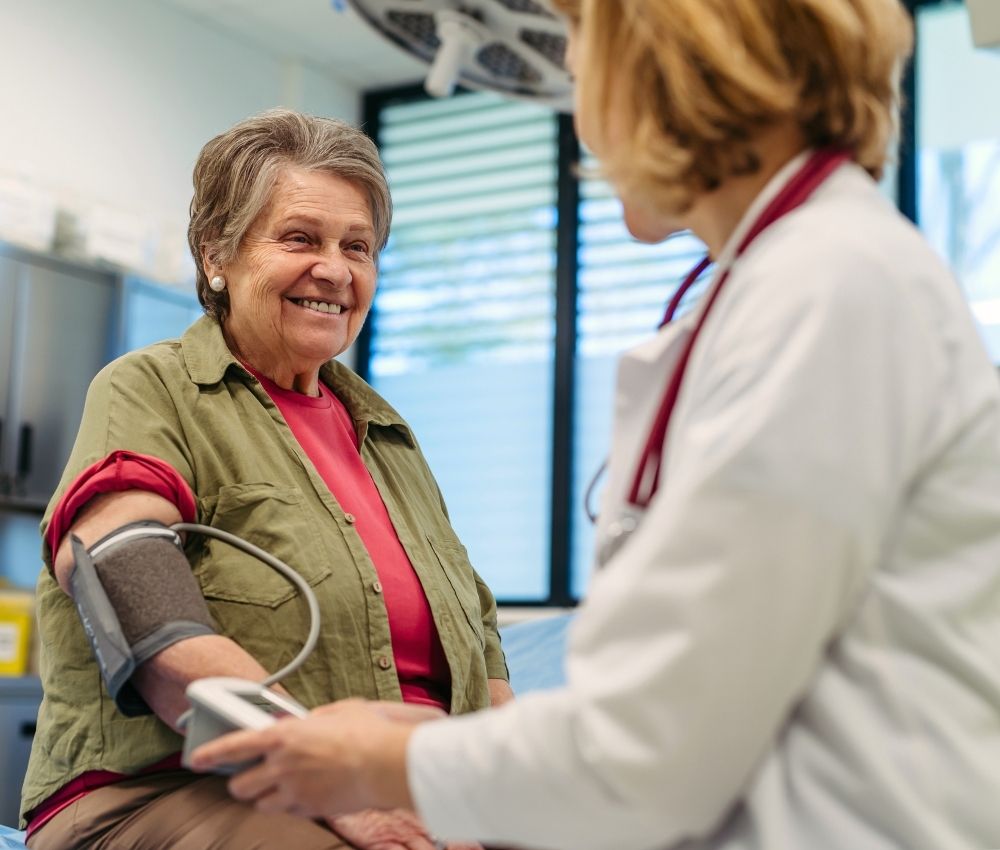
Emotional support plays a vital role as well. Obesity can impact self-esteem and mental health, leading to feelings of isolation or depression. Compassionate caregivers who provide encouragement and understanding can create a supportive environment that promotes emotional well-being.
Furthermore, tailored assistance with daily activities helps maintain independence while promoting dignity. Whether it’s providing mobility aids, adaptive equipment, or specialized nutrition plans, every detail matters in improving their quality of life.
Establishing open, respectful communication is fundamental to quality care. When seniors feel heard and valued, they’re more likely to express their concerns, share their preferences, and participate actively in care decisions. This collaborative approach not only improves health outcomes but also reinforces dignity and autonomy.
Different Types of Senior Living Options for Obese Individuals
When it comes to senior living, individuals with obesity have specific needs that must be addressed. Assisted living facilities are one valuable option. These communities provide personal care services, supportive assistance, and accessible environments while promoting independence.

For seniors dealing with both obesity and cognitive impairments, specialized memory care units can provide comprehensive support. These facilities offer dementia care alongside nutrition programs and modified physical activities suitable for residents with mobility limitations.
For more active seniors, there are independent living communities designed for social engagement and physical activity. These neighborhoods encourage residents to participate in group fitness classes, walking clubs, and recreational activities, which can help with weight management and overall wellness.
Additionally, many retirement communities offer comprehensive wellness programs focused on nutrition education and fitness classes specifically designed for residents with obesity. These programs help seniors maintain a healthy lifestyle while addressing their unique physical needs.
Choosing the right environment ensures that every senior feels comfortable, respected, and supported according to their unique needs. Each type of community offers distinct benefits tailored to different lifestyles, health requirements, and levels of independence.
Tips for Creating an Obese-Friendly Environment in Senior Living Facilities
Creating a supportive environment for seniors with obesity in senior living facilities requires thoughtful planning and design. Start by ensuring that hallways and common areas are spacious enough to accommodate mobility aids such as wheelchairs and walkers.
Furniture selection is equally important. Choose sturdy, reinforced chairs with wide seats and armrests to provide support and stability when sitting down or standing up. Additionally, consider adjustable-height tables that accommodate wheelchairs and various seating needs.

Accessible restrooms equipped with grab bars can significantly enhance safety. Make sure the plumbing fixtures are easy to operate for seniors with limited strength or dexterity.
Include outdoor spaces that invite physical activity in a welcoming, non-intimidating way. Walking paths should be well-maintained and free of obstacles, encouraging gentle exercise amidst nature.
Provide staff training programs focused on empathy, sensitivity, and understanding of the unique challenges faced by residents with obesity. An informed, compassionate team can foster a supportive atmosphere where everyone feels respected, valued, and welcome.
The Role of Nutrition and Exercise in Senior Care for Obese Individuals
Nutrition and exercise play vital roles in the well-being of seniors with obesity. A balanced diet tailored to their specific health needs can significantly improve overall wellness. Meals should prioritize fresh fruits, vegetables, whole grains, lean proteins, and healthy fats. This combination helps support healthy weight management while providing essential nutrients.
Physical activity is equally important but must be approached thoughtfully and safely. Low-impact activities like walking, swimming, water aerobics, and chair exercises are often more suitable for seniors with obesity. These activities promote cardiovascular health and muscle strength without putting excessive strain on joints.
Regular physical activity not only supports weight management but also enhances mood, reduces stress, and improves cognitive function. Group fitness classes, water aerobics, or gentle stretching sessions can foster social connections while making exercise more enjoyable and sustainable.
Creating a supportive environment encourages long-term adherence to healthier habits. Involving family members in meal planning, preparation, or exercise routines can make these lifestyle changes feel enjoyable and manageable rather than overwhelming. With the right approach, proper nutrition and regular physical activity become integral parts of daily life that enhance both longevity and quality of life for seniors.
Resources and Support Available for Senior Community
Finding the right resources and support is essential for seniors facing obesity. Numerous programs, organizations, and services are dedicated to helping older adults lead healthier, more fulfilling lives.
Many senior living communities offer specialized weight management and wellness programs. These can include personalized meal plans, fitness classes designed for various mobility levels, and support groups that foster community spirit. Engaging with these options can significantly improve health outcomes and overall quality of life for obese seniors.
Local health departments and community centers often provide free or low-cost workshops focused on nutrition education and physical activity tailored specifically for older adults. Online platforms and reputable health websites also offer a wealth of information about managing obesity through healthy eating habits and exercise strategies suitable for seniors.
Support networks and caregiver groups may also be available in your area, providing emotional encouragement alongside practical advice and shared experiences. Connecting with other families navigating similar challenges can create a valuable sense of community, understanding, and mutual support.
Professional counseling services can also assist both seniors and their caregivers in navigating the physical, emotional, and social complexities associated with obesity, ensuring everyone feels supported on the journey toward improved health and well-being.
By utilizing these resources and support systems, families can help their loved ones achieve a healthier, more fulfilling lifestyle while effectively addressing the unique challenges of obesity in senior care settings.
